17 November 2026
Spotting a Hazardous Tree Before It Causes Damage
Presented by @thetreeledger
Why a healthy-looking tree can still be a danger
A tree near your home adds shade, beauty, and value to your property. But the same tree can become a serious hazard if its structure weakens or disease sets in. The trouble is that problems often start where you cannot see them: under the soil, inside the trunk, or high in the crown. By the time leaves turn brown or branches snap, the tree may already be past the point of simple repair. Knowing what to look for and when to call a professional tree removal service can save you from costly property damage and keep your family safe.
This guide walks you through the key signs that a tree has become a hazard near your home. Each step covers what to check, why it matters, and what you should do about it. The goal is not to turn you into an arborist but to help you recognise when expert help is needed. For any tree that shows multiple warning signs or is large enough to hit your house, do not attempt work yourself. A qualified tree care company can assess the risk and carry out any necessary work, including safe removal near homes.
Step 1: Check the lean
A tree that leans noticeably to one side is not automatically dangerous. Many trees grow at an angle and remain stable for decades. But a lean that has developed recently or that worsens over time is a red flag. Compare the tree with old photographs if you have them, or simply look at the angle of the trunk against the ground. A sudden lean can mean that roots have broken, soil has eroded, or the tree has shifted in a storm. The direction of the lean matters. If the tree tilts toward your house, driveway, or other structures, the risk is higher. A lean of more than 15 degrees from vertical, especially when combined with lifted soil on the opposite side, is a strong indicator that the tree is unstable.
When you notice a lean, look at the root area for cracks or raised earth. A tree that has begun to uproot itself often shows a gap between the trunk base and the soil. If you see this, stay away from the tree and call a professional. Do not try to pull the tree back upright or add soil to hide the gap. The tree needs a proper evaluation, and the fix may involve removal.
Step 2: Inspect the trunk for cracks and decay
Cracks in the trunk weaken the tree’s structural integrity. Vertical cracks that run deep into the wood are the most serious. A crack that extends more than a third of the way through the trunk can cause the tree to split apart under wind load. Horizontal cracks are less common but also dangerous because they indicate that the trunk is separating along a weak line. Look for cracks in the bark that are wider than a quarter inch and that show fresh wood underneath. Old, healed cracks that are covered by bark are usually not a concern.
Decay is trickier to spot. Fungi growing on the trunk, such as shelf fungi or mushrooms, are a clear sign that the wood inside is rotting. Hollow areas in the trunk, cavities, or soft spots where the bark is missing also point to internal decay. You can test a suspected area by gently tapping the trunk with a rubber mallet. A solid tree produces a sharp sound; a hollow or dull thud suggests decay inside. Do not dig into the trunk or remove bark to check. If you suspect decay, mark the tree and have an arborist examine it.
Step 3: Examine the crown and branches
The crown of the tree, the upper part where branches spread out, tells you a lot about its health. Crown dieback, where the tips of branches die and lose leaves, is a common sign of stress. It can be caused by drought, disease, root damage, or pests. If more than a third of the crown shows dieback, the tree is in decline and may become hazardous. Dead branches in the crown, also called deadwood, are dangerous because they can fall at any time, especially in wind. Look for branches that have no leaves in summer, that have peeling bark, or that are covered in lichen. These are often dead or dying.
Another thing to watch for is weak branch attachments. Branches that grow at a narrow angle to the trunk, forming a V shape, are more likely to split than branches that grow at a wide angle. Included bark, where the bark grows into the joint between branch and trunk, makes the attachment even weaker. If you see a large branch with included bark overhanging your house, it is a hazard that should be removed by a professional.
Step 4: Look for root problems
Root decay is one of the most dangerous conditions because it is hidden underground. Signs of root decay include mushrooms growing at the base of the tree, soft or mushy soil around the trunk, and a tree that moves easily when pushed. If the soil is raised or cracked in a circle around the tree, the roots may have broken. Construction or landscaping near the tree can also damage roots. Trenching, soil compaction, or adding fill soil over the root zone can kill roots and destabilise the tree. If you are planning any digging near a tree, mark the area and have a professional check the root system first.
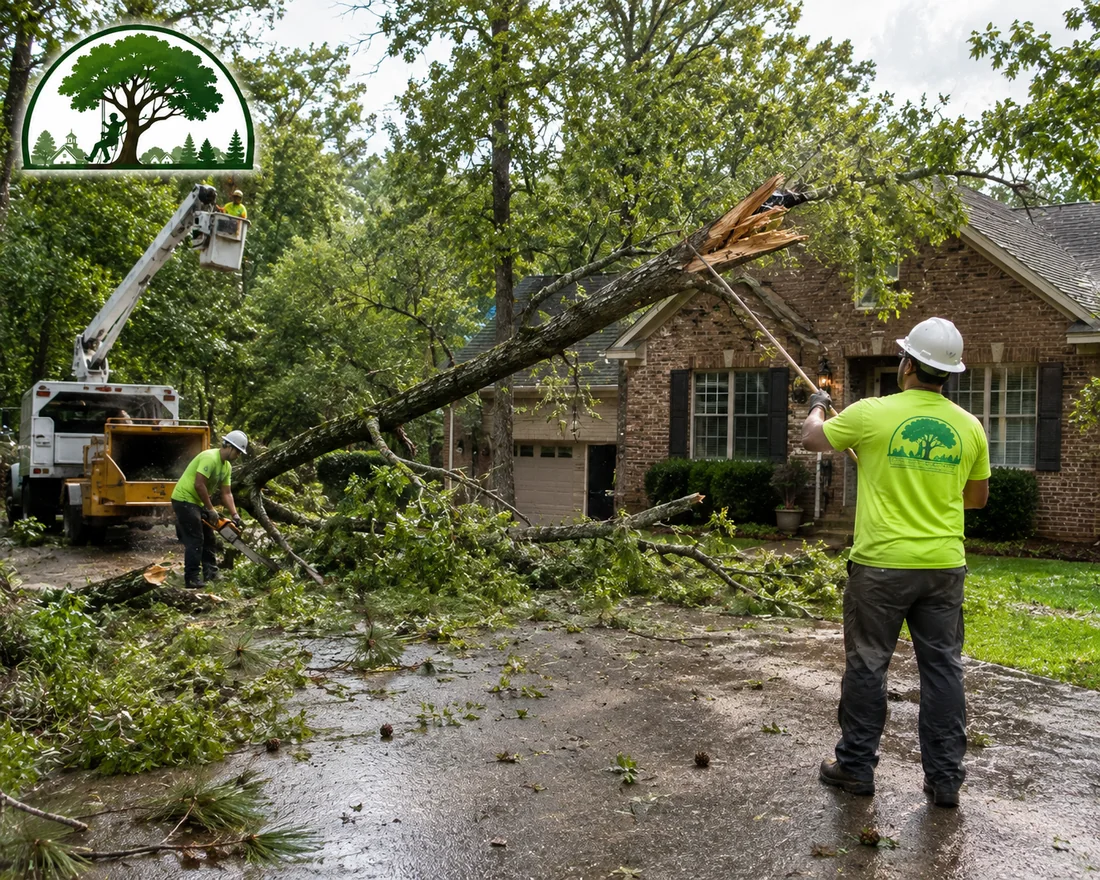
For trees that are leaning or have visible root damage, the risk of falling increases during heavy rain or wind. A tree that falls from root failure can land with enough force to crush a car or punch through a roof. Do not wait for a storm to see if the tree holds. If you suspect root decay, call an arborist to assess the tree. They may recommend cabling, bracing, or removal depending on the severity.
Step 5: Consider the target area
Even a tree with no obvious defects can be a hazard if it is in the wrong place. The target area is the zone that a falling tree or branch would hit. This includes your house, garage, shed, fence, power lines, and any spots where people gather, such as patios, decks, or play areas. A tree that is otherwise healthy but leans over your bedroom is a higher risk than a similar tree in an open field. When evaluating a tree, think about what is below it and how far it could reach if it fell. The height of the tree determines the radius of the target area. A 60-foot tree can hit anything within a 60-foot radius of its base.
If a tree overhangs your roof, trim back the branches that are close to the house. This reduces the chance of limb failure during a storm and stops leaves and debris from clogging your gutters. For large trees that are close to the house, have an arborist inspect the tree every year or two. They can identify problems early and recommend pruning or removal before damage occurs.
When to call a professional
Some tree problems are obvious and urgent. A tree that has lost half its crown, has a large crack running down the trunk, or is leaning after a storm should be evaluated right away. But many hazards develop slowly, and you may not notice them until it is too late. If you are unsure about a tree’s condition, it is better to call a professional tree removal service for an assessment. They have the training and equipment to climb the tree, inspect the crown, and check for decay that is invisible from the ground. They can also perform routine pruning to remove deadwood and reduce the weight on weak branches.
When a tree needs to come down, the work is dangerous. Felling a tree near a house requires careful planning of the felling direction, the use of ropes and rigging, and knowledge of how the tree will behave as it falls. A mistake can bring the tree through a wall or onto a power line. Professional tree care companies carry insurance and follow safety standards that protect both their crew and your property. They also handle stump grinding and debris cleanup, so you are left with a clean yard and no leftover hazards.
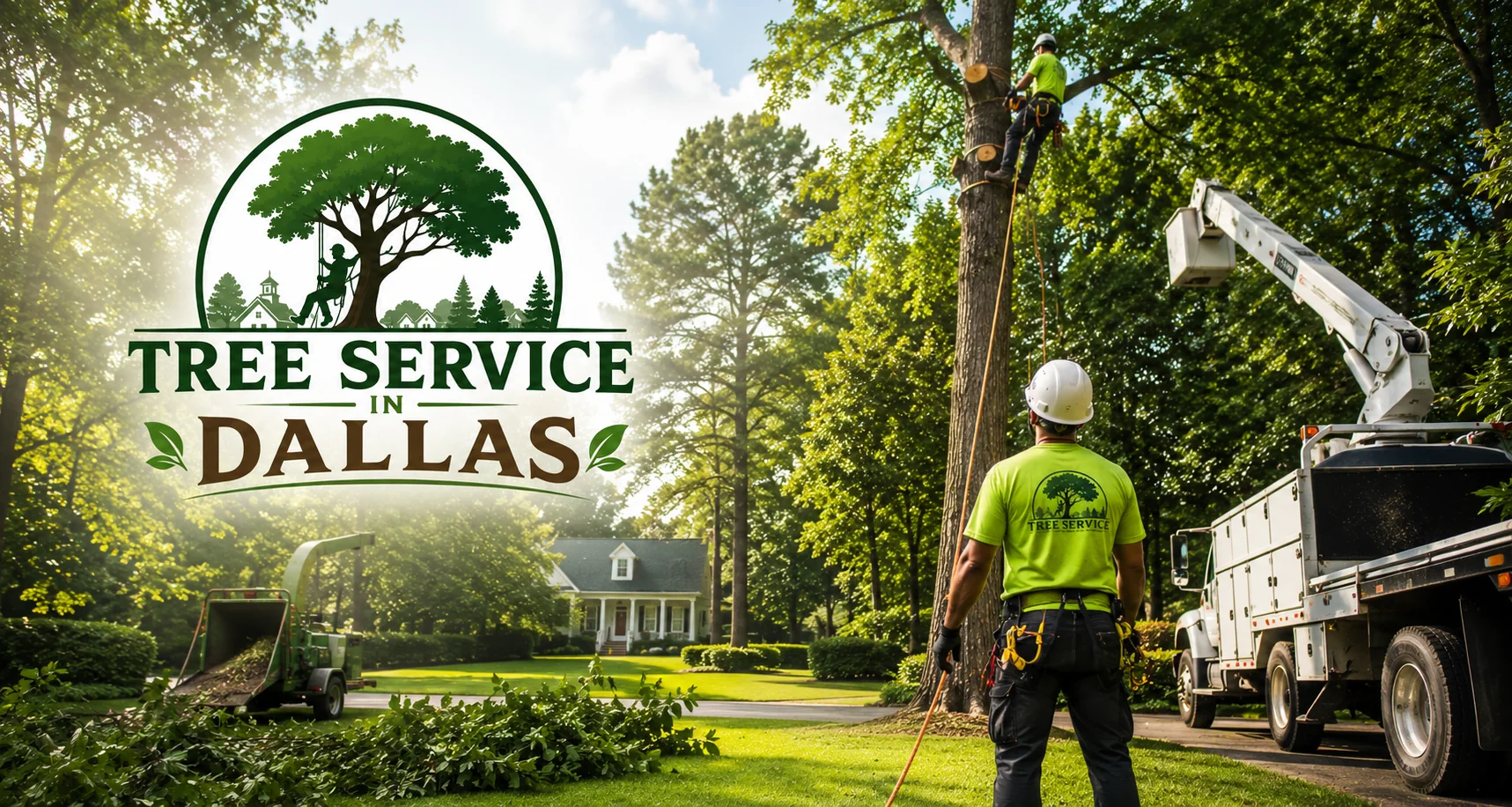
For trees that are close to structures, the safest approach is often to remove the tree in sections. This involves climbing the tree, cutting it into pieces, and lowering each piece to the ground with ropes. It is slow work, but it avoids the risk of the tree falling onto the house. A company that offers safe removal near homes will use this method when needed. Do not attempt to fell a tree yourself if it is within two tree-lengths of any building or power line. The risk is simply too high.
Prevention is easier than repair
Keeping trees healthy is the best way to prevent hazards. Water them during dry spells, mulch around the base to protect roots, and prune dead branches before they become a problem. Have a certified arborist inspect your trees every few years, especially after storms or construction work. A small investment in maintenance can prevent a much larger expense later.
If you see any of the warning signs described here, act promptly. A hazardous tree does not fix itself, and the longer you wait, the more the risk grows. Contact a local tree care service that can evaluate the tree and recommend the right course of action. Whether that means pruning, cabling, or removal, getting professional advice early gives you the best chance of keeping your home and family safe.